Doncaster Minster
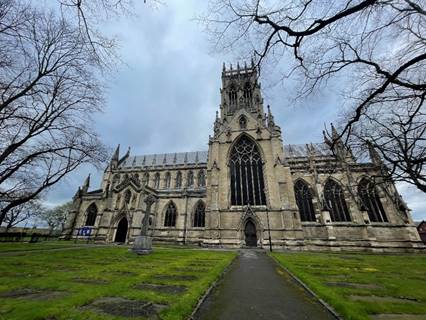
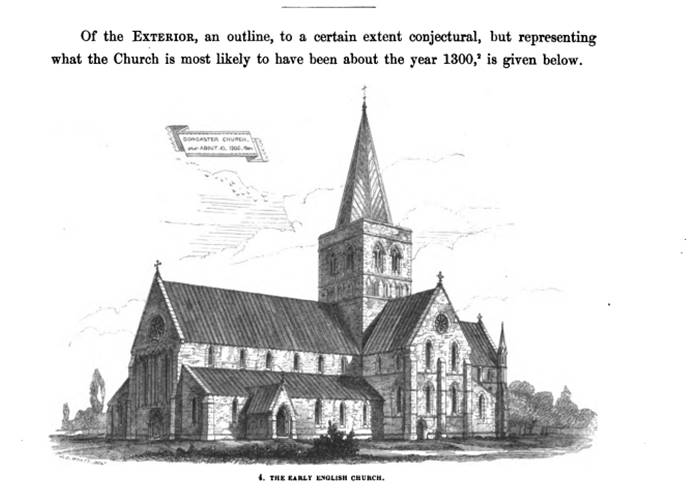
The Victorian Parish church (later
Minster) of Doncaster rebuilt in 1853, but on the site of the earlier Parish
church of which William Farndale was chaplain and later vicar in the years
after the Black Death
This guide
to visiting Doncaster accompanies the
history of Doncaster to 1500 and the history of Loversall.
Doncaster
Minster
You can
visit Doncaster by train or there are car parks in the town centre.
The centre
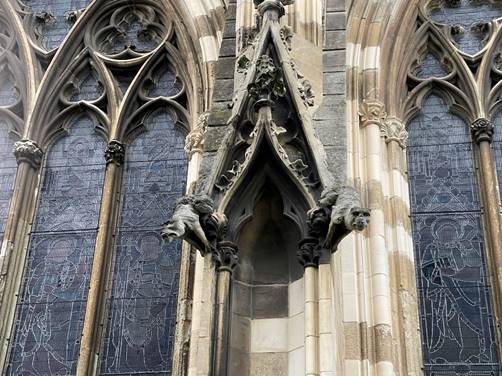
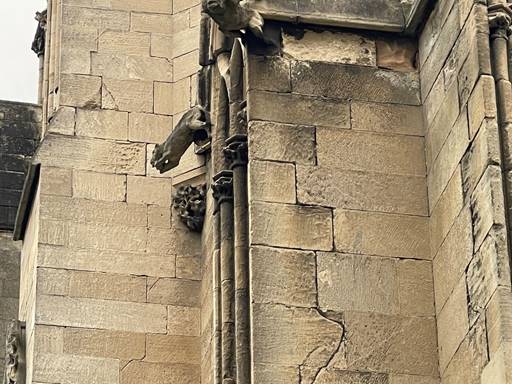
is dominated by the magnificent Doncaster Minster. This is the site of the Roman
castrum of Danum at the site of the main crossing over the Don. There
are some remains of the Roman structure within the grounds of the minster.
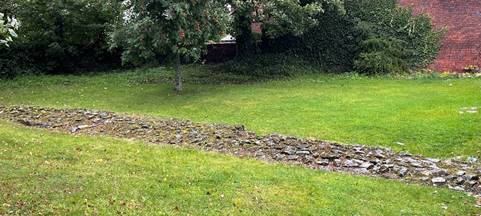
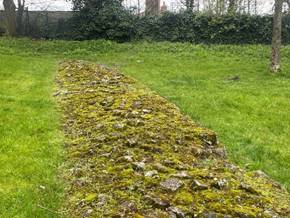
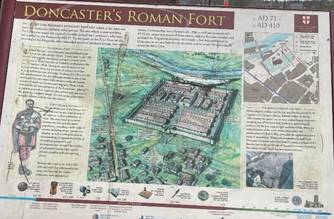
Remains
of the Roman castrum in the grounds of the modern minster
The minster
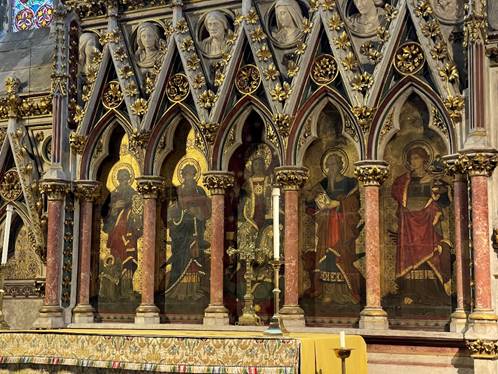
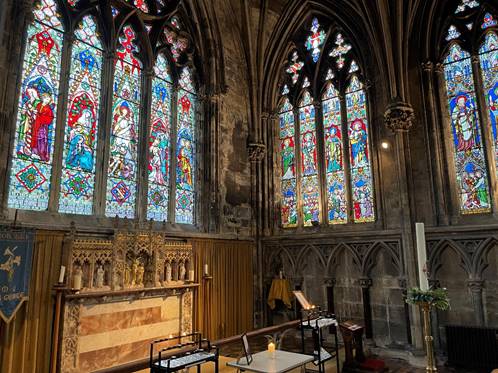
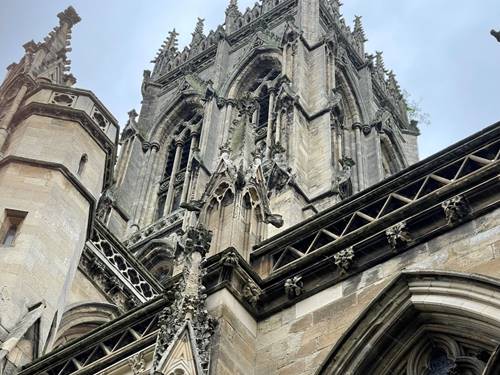
is Victorian, constructed after a fire in 1853 destroyed the original church.
So the minster is not the building where William Farndale
was the vicar from 1397 to 1403. Yet the original church was itself magnificent
and the minster was built in the same place of the chapel of St George of the
original Norman castle which eventually became the parish church of which
William was its vicar.
So a visit
to the minster will take you to the place of our fourteenth century ancestors
who had reached Doncaster in the first ventures out of Farndale. As you visit
the minster you will be taken as close as is still possible, to the world of
our fourteenth century ancestors.
Doncaster
Centre
The street name Frenchgate suggests that Nigel Fossard invited his fellow
Normans to trade in the town after the Norman Conquest. It is now the main
shopping centre.
The original parish church was the church of St Mary Magdalene,
site of the original market place. It is no more but archaeological excavations
have been made in the area of Corngate, the Corn Exchanmge on Marget Place.
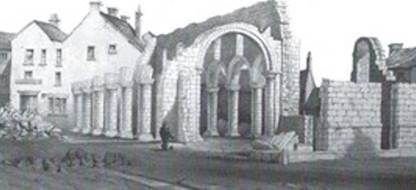
St
Mary Magdalene, from Rev Jackson’s Book
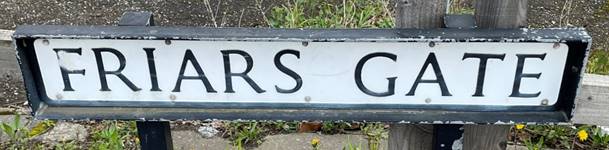
The locations of the friaries is now captured in street
names near to the river.

The library houses a museum of the history of Doncaster.
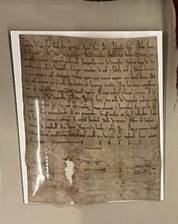
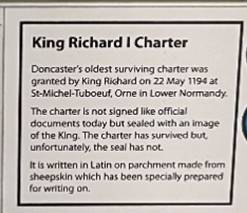
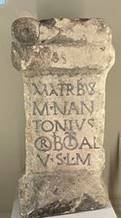
Richard
I’s town Charter at Doncaster Library and the Roman altar
Conisbrough
Conisbrough Castle is the Norman Castle which remains
to be visited today.
The
area around Doncaster appears to have enjoyed relative peace after Norman rule
had been established. Conisbrough Castle never endured a siege
and Pontefract Castle, which was seen as the key of the North, was
not attacked until the English Civil War.
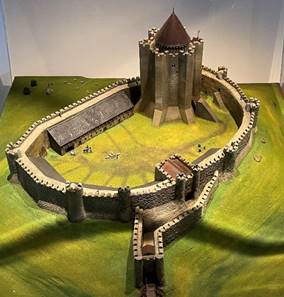
Conisbrough Castle
There is also the site of Tickhill
castle.
Loversall
If you are driving, the lovely village of Loversall is only
2 kilometres south of Doncaster.
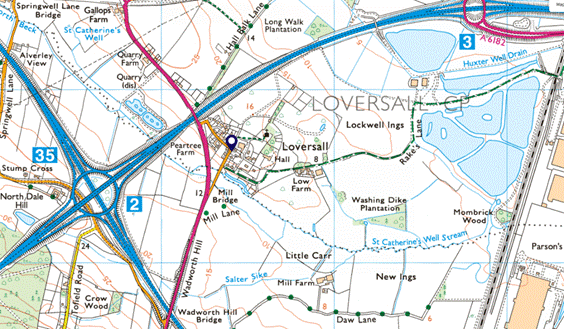
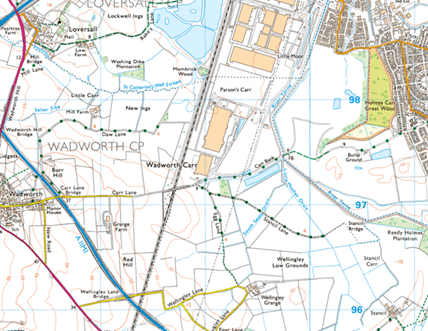
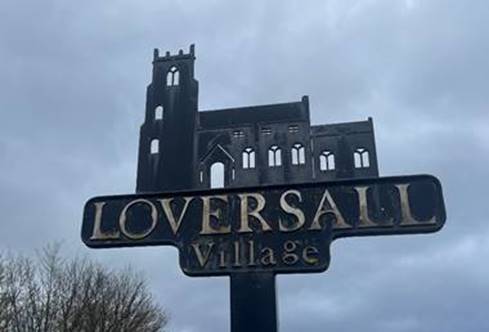
This is
where William
Farndale had five acres of land. The church, which was originally a chapel,
is approached through fields, which could well have once been William Farndale’s
lands.
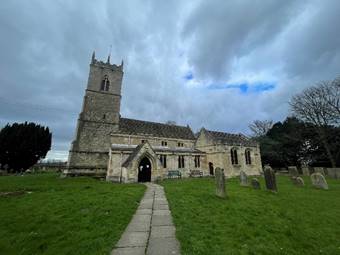
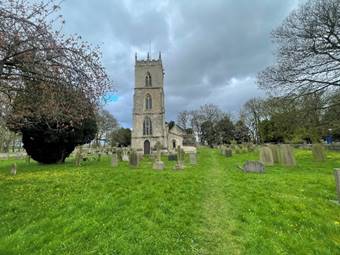
These were
rich farm lands back to Roman times and there was a Roman villa at Stancil.
or
Go Straight to Chapter 11 –
the Vicar of Doncaster
Go Straight to the History of
Doncaster to 1500
Explore the History of Loversall